Thermal Break Aluminum: Why It Matters in Saudi Heat
What a thermal break is, how it stops heat travelling through aluminum frames, and why it matters for windows and doors in Saudi Arabia.
What is a thermal break?
Aluminum is strong, light and long-lasting, but it conducts heat very well. In a standard aluminum window, the outside of the frame heats up in the sun and that heat travels straight through the metal to the inside of the room.
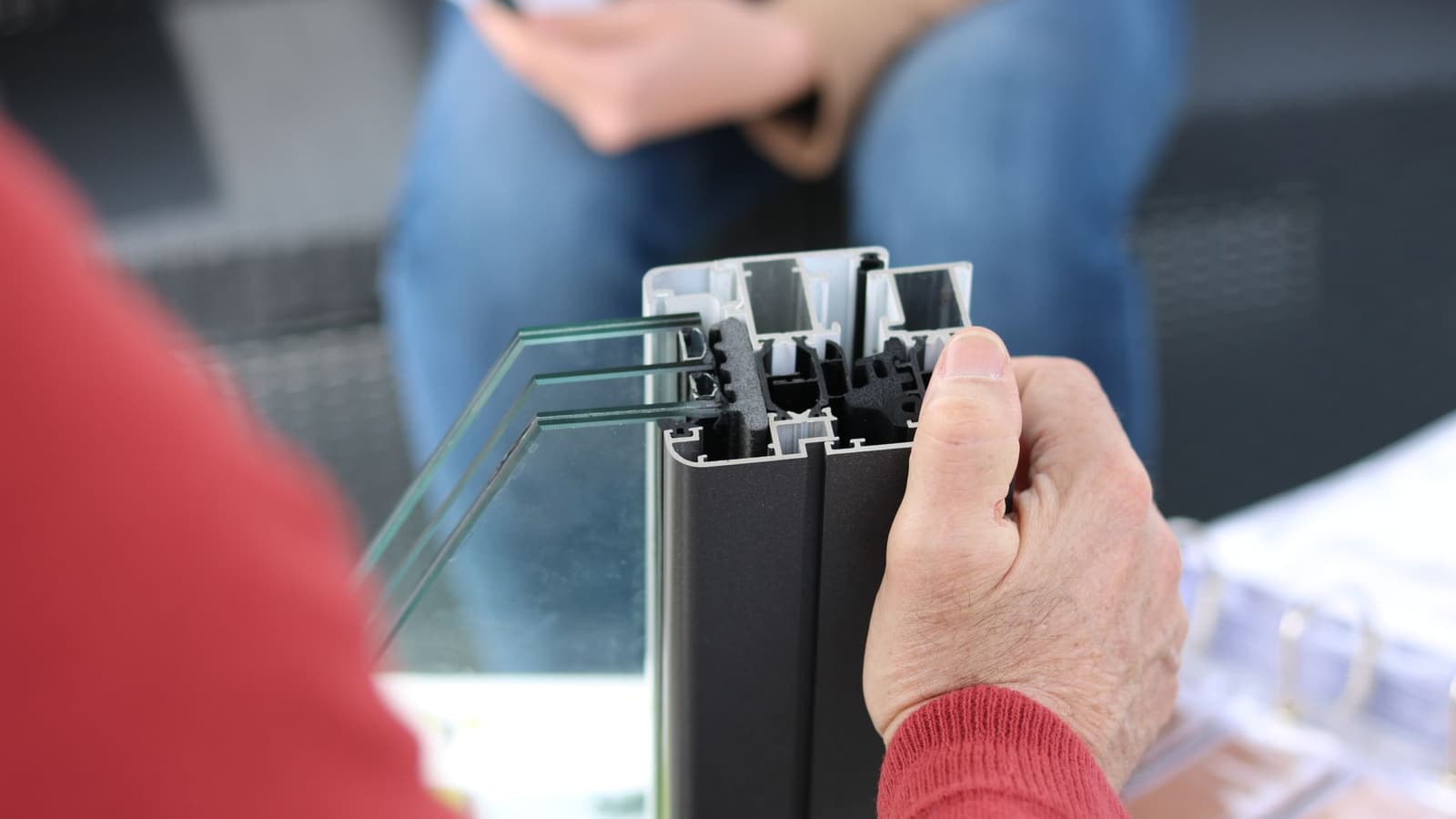
A thermal break stops this. The frame is made in two parts, an outer and an inner aluminum profile, joined by a strip of insulating material, usually glass-fibre-reinforced polyamide. Heat cannot pass easily across the strip, so the inner frame stays much closer to room temperature.
Standard aluminum vs thermal break aluminum
Here is how the two frame types compare in a Saudi summer.
| Feature | Standard Aluminum | Thermal Break Aluminum |
|---|---|---|
| Heat through the frame | High | Much lower |
| Inner frame in summer | Hot to the touch | Close to room temperature |
| Condensation | Common in humid coastal weather | Greatly reduced |
| Colours | One colour inside and out | Can be different inside and outside |
| Cost | Lower | Higher, repaid through lower cooling load |

How a thermal break works
- Polyamide strips: rigid insulating strips are rolled into the aluminum profile and lock the two halves together.
- Wider break: in general, a wider insulating zone gives better insulation.
- Glass and gaskets: the break works together with double glazing and EPDM gaskets to insulate the whole window, not only the frame.
- Dual colour: because the inner and outer profiles are separate, they can be powder-coated in different colours, for example dark outside and white inside.